


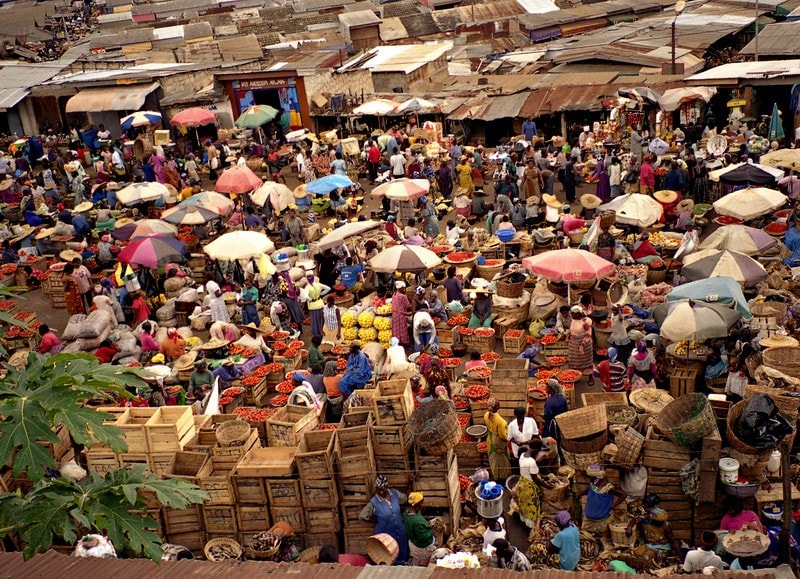
The fair just ended. The opportunity didn’t.
From 18 to 22 November, Black Star Square hosted GEXPO 2026 — Ghana’s first Export and SME Fair. More than 500 Ghanaian businesses met international buyers, trade missions and financiers, with one goal: turn “Made in Ghana” into signed export contracts. The fair is over today. The doors it opened are not.
The numbers behind the push
Ghana’s non-traditional exports — everything except cocoa, gold, oil and timber — hit a record US$5.0069 billion in 2025, up 30.7% in a year. Processed and semi-processed goods alone brought in US$3.09 billion, up 52.78%. Ghanaian products now reach 152 countries across 609 product lines. Africa buys about US$1.5 billion of it — but 96% of that stays inside West Africa. The rest of the continent, and the world, is the open space.
Why AfCFTA is your shortcut
The African Continental Free Trade Area Secretariat sits in Accra. AfCFTA is eliminating tariffs on 90% of goods traded between African countries — meaning a product made in Ghana can enter markets across the continent cheaper than before. The government is now helping manufacturers get the licences to sell under AfCFTA, and working so a test certificate issued in Accra is accepted in Lagos, Abidjan and Kigali without being repeated. Trade Minister Elizabeth Ofosu-Adjare’s line at the Invest Ghana Summit: the suppliers, buyers and export routes already exist — the job is connecting them.
What young Ghanaians can actually sell
The fair targeted the sectors where small businesses win: agro-processing, textiles and apparel, cosmetics and natural oils, light manufacturing, digital trade and exportable services. Add shea butter, cashew, cocoa paste and butter — already among Ghana’s leading earners. The new 1,238-acre Afienya Industrial Park is built for 120+ enterprises, and garment factories in the Tema Free Zones run shifts under the 24-hour economy, with women making up over 90% of the textile workforce. Translation: jobs and supplier slots exist now, not someday.
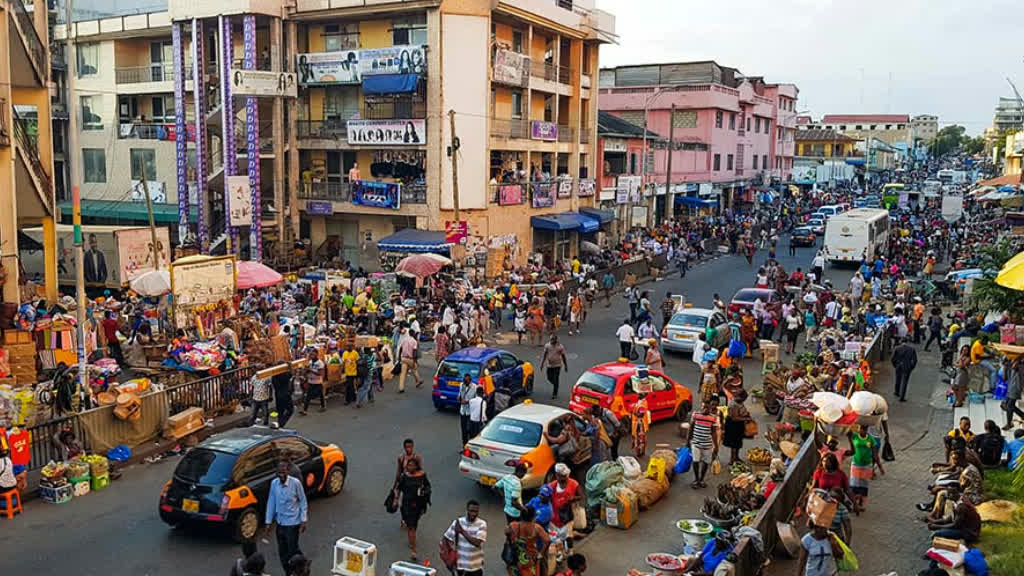
Your first three moves
One: get your product certified — standards paperwork is the barrier the ministry is actively removing, so start it while help is funded. Two: talk to GEPA and Ghana Exim Bank about export readiness and credit — both were at GEXPO running technical sessions on rules of origin, packaging and phytosanitary rules. Three: think processed, not raw. Ghana earns more from cocoa paste than cocoa beans; the same logic applies to your shea, your cashew, your pepper. The fair proved buyers will come to Accra. The next one should have your product on the table.
Sources: GEXPO 2026 (18–22 Nov, Black Star Square, 500+ businesses), Ministry of Trade, Agribusiness and Industry; non-traditional exports US$5.0069bn 2025 (+30.7%), processed US$3.09bn (+52.78%), 152 countries / 609 product lines (Invest Ghana Summit, Nov 2026); AfCFTA licence support + Afienya Industrial Park 1,238 acres; AfCFTA Secretariat Accra.
Read next: what a digital marketing course in Accra really costs · Ghana’s $1 billion for creatives: where is your share?

Leave a Reply