


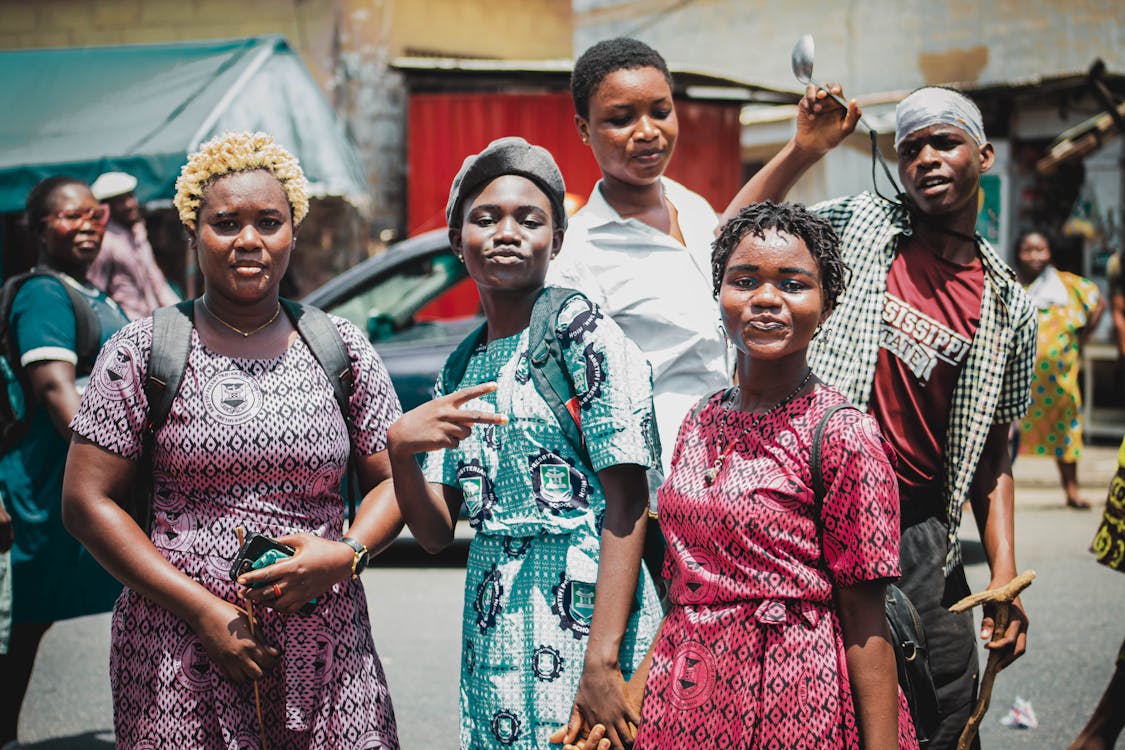
Ghana’s economy grew by 6 per cent in 2025. Inflation fell from above 23 per cent to single digits. The IMF bailout programme finished in July 2026. On paper, this is a recovery.
Now read the other set of numbers. Youth unemployment stands at 21.9 per cent — against a national rate of 12.8 per cent. Nearly two million young Ghanaians are not in education, employment or training at all. For young people aged 15 to 24, unemployment is 32.4 per cent. More than one in five of them, 21.5 per cent, are NEET entirely.
The economy is growing. The jobs are not. That is what a jobless recovery looks like, and young Ghanaians are the ones living in it.
Youth Unemployment in Ghana: Eleven People for Every One Job
The World Bank’s 10th Ghana Economic Update lays out the gap in numbers that are hard to argue with. Between 2012 and 2023, Ghana’s working-age population grew by 2.7 million people. In those same eleven years, the economy created only 250,000 net new jobs in the formal sector or in non-subsistence informal work. Eleven people arrived for every one job created.
The Government Statistician, Dr Alhassan Iddrisu, has said it plainly: the pace of job creation is too slow to drive a sustained fall in unemployment. New job creation is still not fast enough to absorb new entrants into the labour market. And another 4.8 million young people are projected to enter the workforce by 2035.
This is not a new problem suddenly appearing. It is the same problem compounding, year after year, while the population keeps growing. Ghana’s population is about 35.1 million, and it is projected to reach roughly 53 million by 2050. The young people are not a small group at the edge of the economy. They are the economy, arriving faster than it can make room for them.
A degree, then a five-year wait
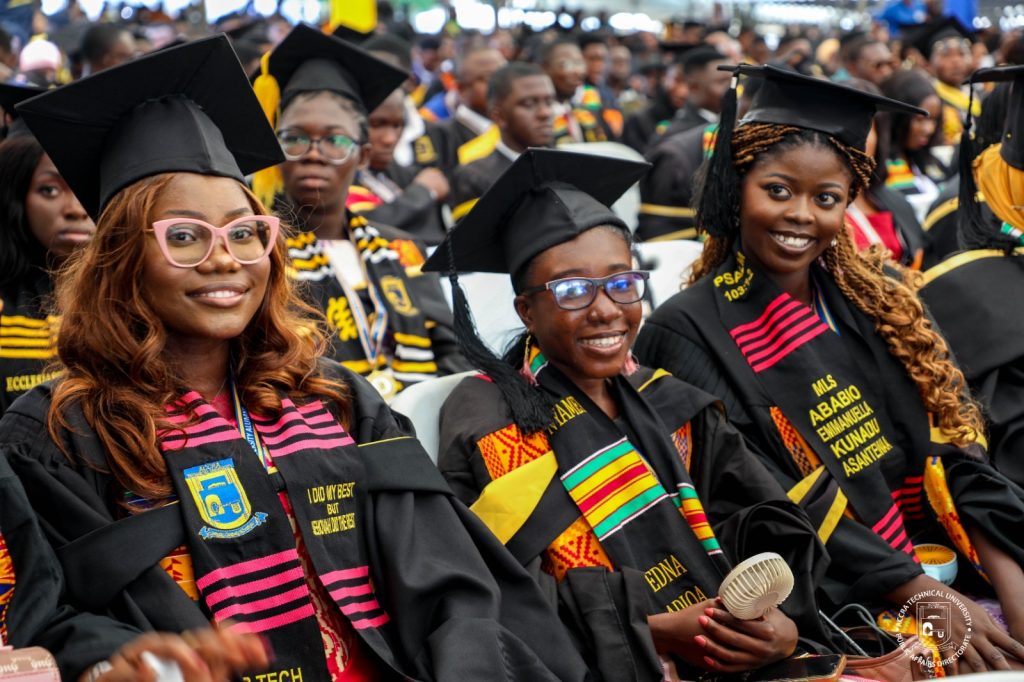
For graduates, the wait has become part of the story. The Trades Union Congress Secretary-General has reported that many graduates wait five years or more for their first formal employment. They did everything they were asked to do — studied, passed, earned the degree — and the job at the end of it is not there.
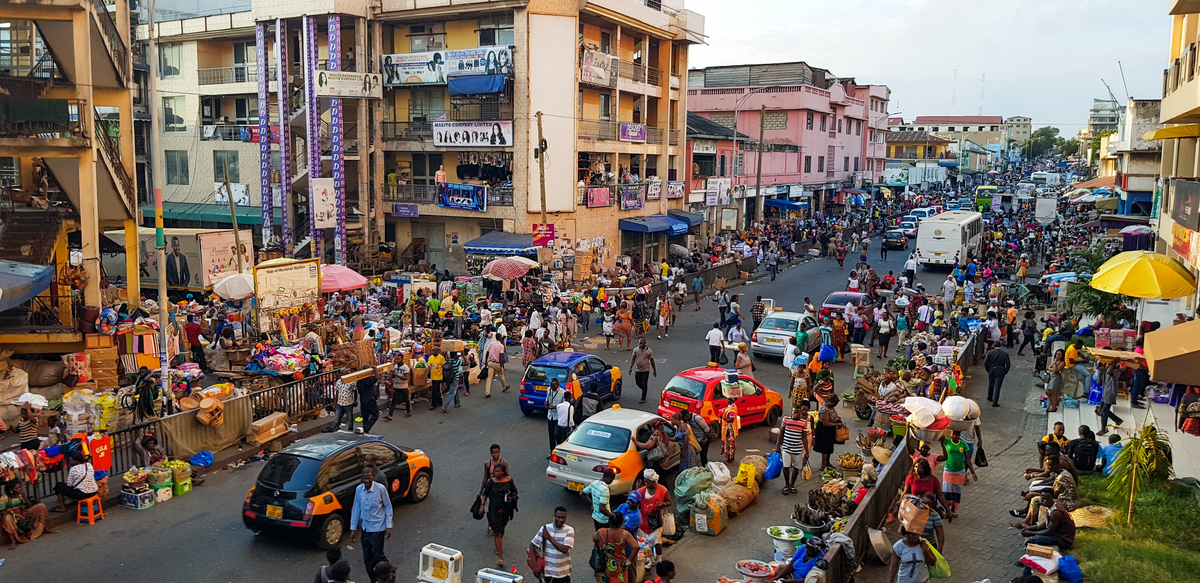
More than two-thirds of all workers are stuck in vulnerable, highly informal positions, mostly as self-employed traders, street vendors or small-scale farmers. Around 80 per cent of employed workers are in the informal sector. Other estimates, including the African Development Bank’s, put the youth unemployment rate higher still, at around 32 per cent.
The pressure shows up in the queues. Around 60,000 young people applied for the 2025 Ghana Armed Forces recruitment exercise. About 4,000 were expected to be selected. On 12 November 2025, crowds gathered at Elwak Stadium in Accra in extreme heat, and six young people died. That is what the competition for a secure job looks like when there are fifteen applicants for every place.
Greater Accra carries the sharpest edge of it: the youth unemployment rate there is 31.9 per cent. The capital, where the jobs are supposed to be, is where the young jobless are most concentrated.
What this means for you
The global picture is no comfort. The International Labour Organization’s Global Employment Trends for Youth 2026 puts global youth unemployment at 12.4 per cent in 2025 — 67 million young people — with the NEET share at 20 per cent, more than 257 million. Nearly nine in ten young workers aged 15 to 29 in low- and lower-middle-income countries work informally. Ghana is not the exception. It is the pattern, running hotter than most.
None of this means a young Ghanaian should stop trying. It means trying smarter: a skill the market pays for, a trade, digital work, a business built from a phone — and knowing where the real openings are, and which ones are scams. The degree matters. But in this market, the degree alone has never been the whole answer.
If you finished school and you are still waiting for your first proper job, how long has the wait been — and what are you doing while you wait? Tell us in the comments.
The Commonwealth Shared Scholarships are open until 8 December.

Leave a Reply