


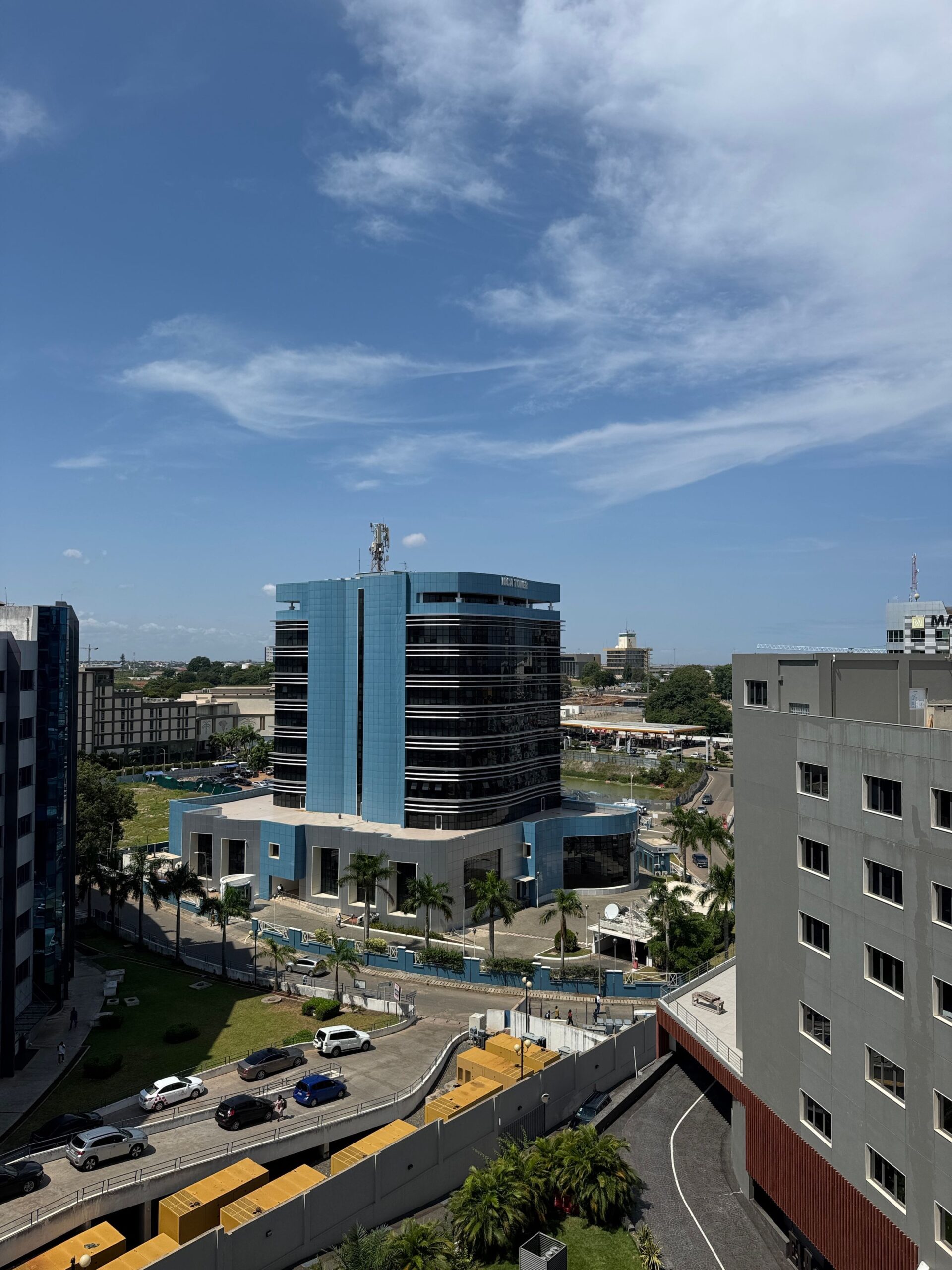
Finance Minister Dr Cassiel Ato Forson presented the Ghana 2027 Budget to Parliament on Thursday evening, 12 November 2026. Its theme is “The New Economy, New Ghana, Jobs and Prosperity”.
The headline for young people is simple. There are no new taxes. In addition, GH¢30 billion goes into jobs and new industries in 2027. The daily minimum wage rises from GH¢21.77 to GH¢25.04 on 1 January 2027.
No new taxes in the Ghana 2027 Budget
“This 2027 Budget will not introduce any new tax,” Dr Forson told MPs.
Solar panels and batteries will also no longer attract import duty or VAT. This is part of the government’s 24-Hour Economy incentives. It is good news for anyone thinking about solar power at home or for a small business.
GH¢389.2 billion to spend — where it goes
The government plans to spend GH¢389.2 billion in 2027, equal to 21.6 per cent of GDP. The government projects revenue and grants at GH¢323.1 billion, up from GH¢274.0 billion in 2026. That leaves a cash deficit of GH¢65.8 billion, or 3.6 per cent of GDP.
The government is targeting overall economic growth of at least 5.2 per cent in 2027. The target for non-oil growth is at least 5.7 per cent.
The New Economy: US$10 billion for jobs
The centrepiece is the New Economy programme: US$10 billion over four years, from 2027 to 2030, across eight pillars. In 2027 alone, GH¢30 billion — 1.5 per cent of GDP — goes into it.
The eight pillars are commercial agriculture (US$3 billion), energy infrastructure (US$2 billion), and critical minerals value addition (US$1.5 billion). Tourism, culture and creative arts gets US$1 billion, as do textiles and garments and pharmaceuticals and biomanufacturing. The technology economy gets US$300 million, alongside macroeconomic stability and affordable finance.

For young people, three of those pillars matter most. Commercial agriculture includes Rice Development Hubs in the Afram Plains, the Volta Basin, Western Ghana and Northern Ghana. They will bring 100,000 additional hectares under production and support about 125,000 jobs. Meanwhile, the technology pillar will fund a National Artificial Intelligence Centre and upgrade rural 2G networks to 4G. The tourism, culture and creative arts pillar puts US$1 billion behind the sector. Many young Ghanaians already earn a living there.
Overall, by 2030, the government wants growth of about 8 per cent and unemployment below 8 per cent.
Debts being paid early
Dr Forson also announced the early redemption of GH¢29 billion in Domestic Debt Exchange Programme bonds. They were due in February 2027. The payment took effect from Thursday, 12 November. The government also plans to settle a US$590 million Eurobond obligation by 31 December 2026. That is ahead of its 2 January 2027 maturity date.
“Stability has returned, confidence is back, and Ghanaians can breathe again,” the Finance Minister told Parliament.
What it means for you
If you earn the minimum wage, your daily pay rises by 15 per cent from January. If you run a small business, there is no new tax to plan for. And if you are looking for work, the jobs push focuses on farming, tech, the creative arts and textiles. These are the sectors where young Ghanaians are already building.
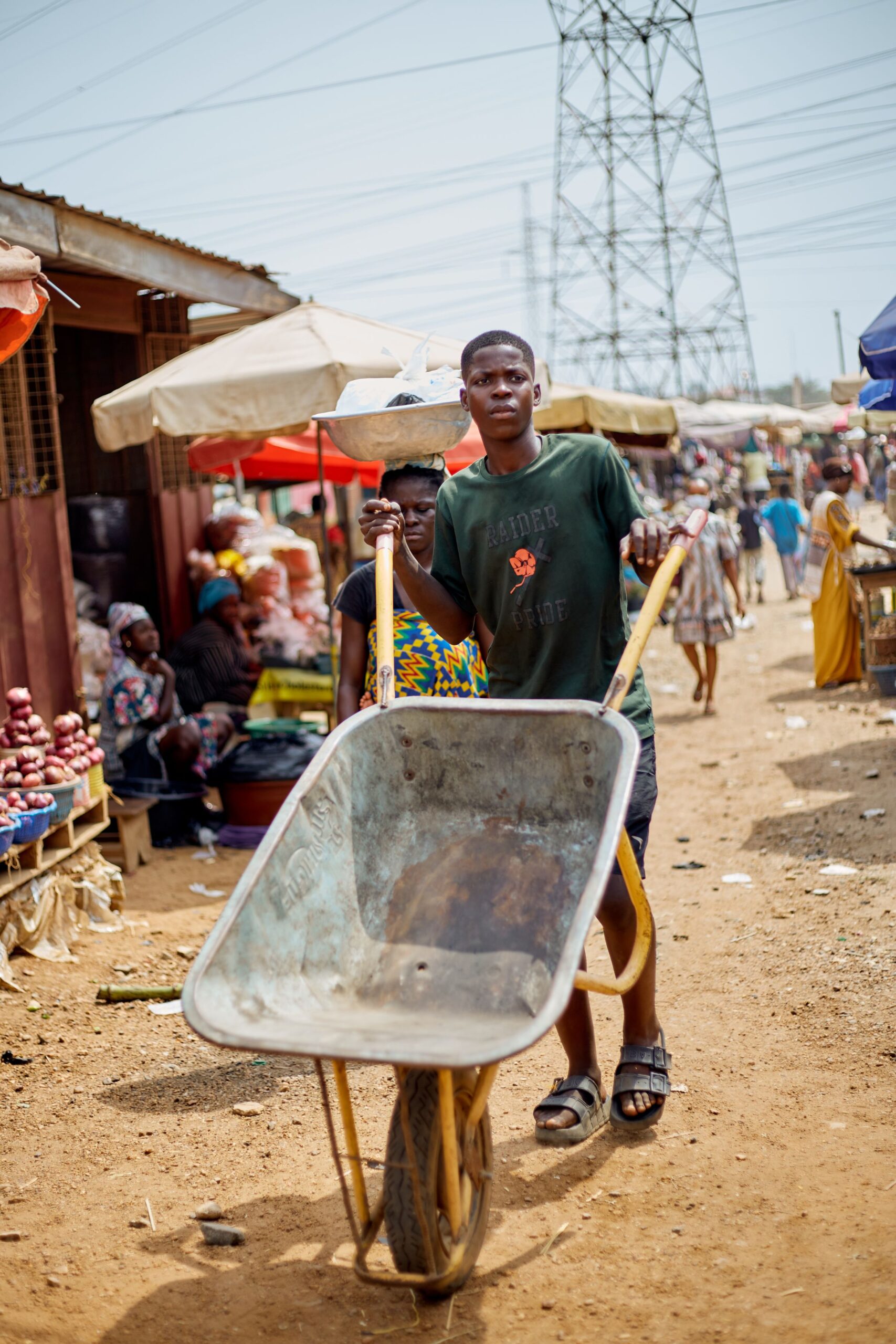
Ghana also marks 70 years of independence in 2027. This Budget marks the start of that next chapter.
What to watch in the Ghana 2027 Budget
The Budget still needs Parliament’s approval. The government released the full 315-page Budget Statement alongside the speech. However, some figures in it differ from what MPs heard in Parliament. So expect debate in the coming days over the fine print.
Read more: Heritage cedi notes
Also read: Commonwealth Shared Scholarships — free Master’s in the UK, open until 8 December.

Leave a Reply