


Ghana’s money is getting a new look. President John Dramani Mahama unveiled the Bank of Ghana’s new Heritage Series cedi banknotes today, Thursday 12 November, at the Bank Square in Accra. Here is who is on the new notes, when you will see them, and what happens to the notes already in your pocket.
When will you get them?
The unveiling today was the launch, not the release — no Heritage note can be spent yet. The new notes enter circulation from 1 December 2026 and will reach the public through commercial banks. The Bank of Ghana has said the existing notes remain legal tender and will circulate alongside the new ones, so there is no need to rush to exchange your old notes. This is not a currency conversion, and it does not change the value of the cedi.
What is new about them?
The series keeps the same eight denominations: GH¢1, GH¢2, GH¢5, GH¢10, GH¢20, GH¢50, GH¢100 and GH¢200. No note above GH¢200 is being added. The notes stay on a 100% cotton substrate, reinforced compared with the current notes, and no polymer is being introduced. The Bank says the new notes are smaller, harder to counterfeit and built to last longer. The series is introduced under the theme “The Cedi, Our Future: Secure, Designed to Last.” It is the first change to the cedi’s core designs in more than two decades.
Who is on the new notes?
Each note carries a national figure on the front, a landmark on the back, and an Adinkra symbol. This is the line-up:
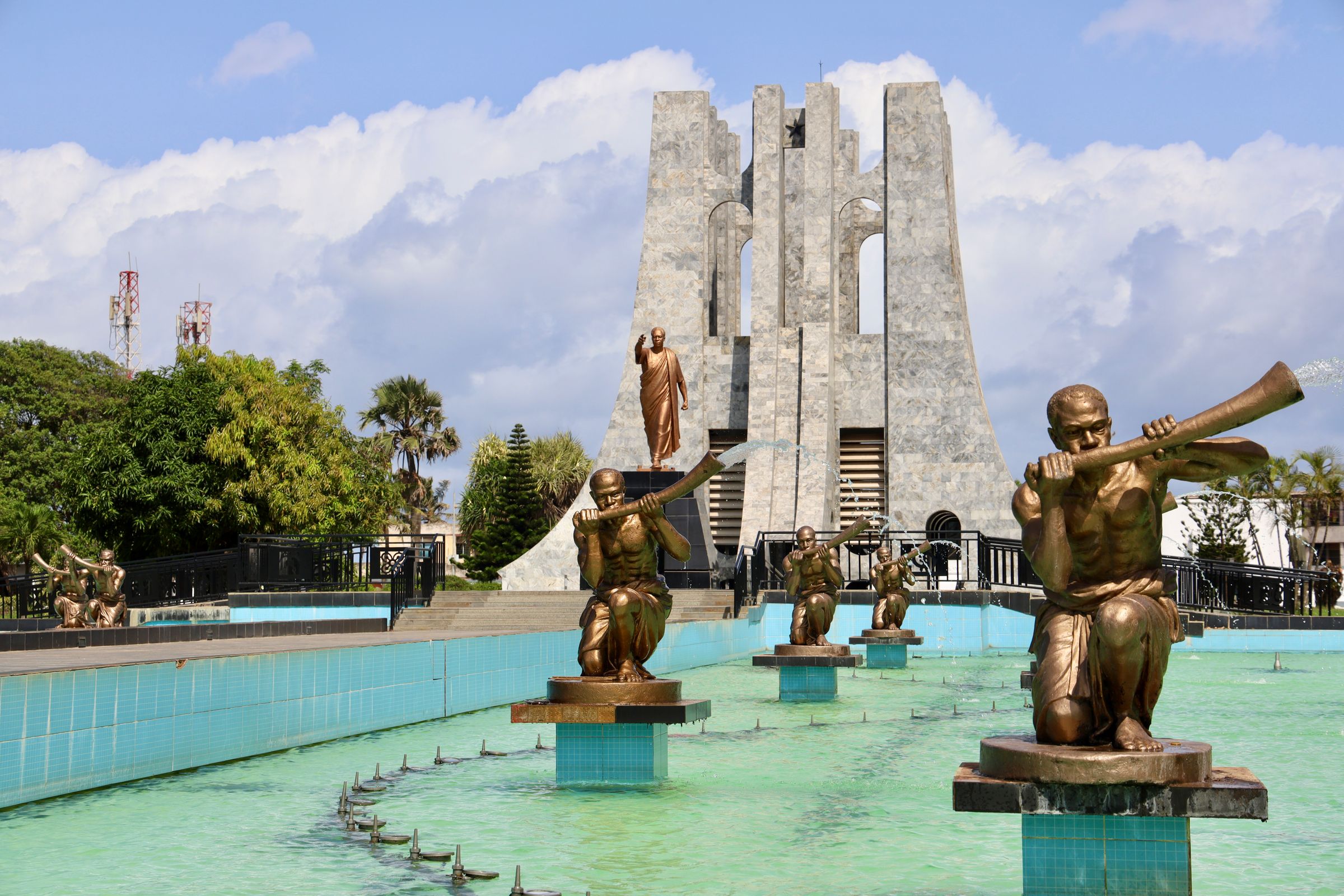
GH¢1 carries Agnes Oforiwa Tagoe-Quarcoopome, said to be the first Makola woman to open a bank account. GH¢2 carries Cardinal Peter Poreku Dery, the first Archbishop of Tamale, with the Larabanga Mosque on the back. GH¢5 carries James Emmanuel Kwegyir-Aggrey. GH¢10 carries Justice Annie Jiagge, the first woman in Ghana and the Commonwealth to become a judge. GH¢20 carries Dr Ephraim Amu, the composer of the Twi version of the national anthem, Yɛn Ara Asaase Ni. GH¢50 carries Theodosia Salome Okoh, the designer of the Ghana flag. GH¢100 carries former United Nations Secretary-General Kofi Annan. GH¢200 carries Ghana’s first President, Dr Kwame Nkrumah.
Five of the Big Six are missing
One change has already sparked debate. Five of Ghana’s six founding leaders, the Big Six, have been left out of the new series. Only Dr Nkrumah kept a place, moving to the GH¢200 note. The other five — Dr Joseph Boakye Danquah, Ebenezer Ako-Adjei, Edward Akufo-Addo, Emmanuel Obetsebi-Lamptey and William Ofori Atta — do not appear. Instead, the series honours people whose contributions span politics, religion, education, public service, culture and international diplomacy.
What should you do?
Nothing, for now. Keep using your current notes — they remain legal tender. From 1 December, the new notes will start arriving through the banks. When you get one, take a moment to look at it: the person on the front, the landmark on the back, and the Adinkra symbol are all part of the story Ghana is telling about itself.

Leave a Reply